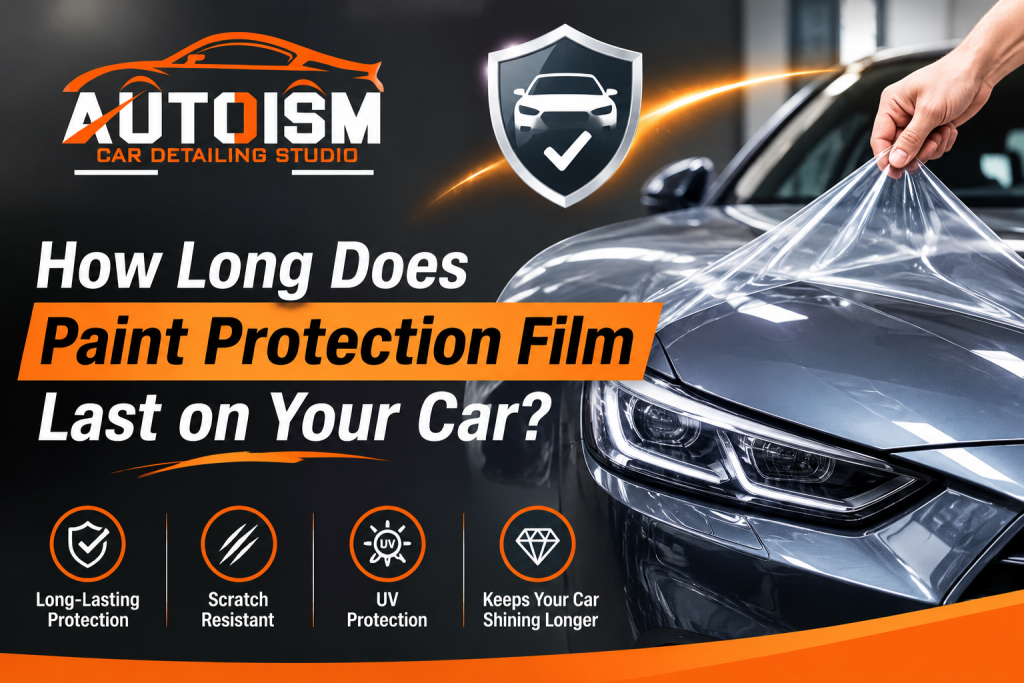
Your car faces daily wear and tear from road debris, small stones, dust, bird droppings, sunlight, and scratches. Even a carefully maintained vehicle can develop paint damage over time. This is why many car owners consider paint protection film (PPF) to help preserve their vehicle’s original finish.
But how long does paint protection film actually last? Is it worth the investment, and what can you do to extend its life?
In most cases, quality automotive paint protection film can last around 5 to 10 years, depending on the film, installation quality, driving conditions, and maintenance. Understanding these factors can help you make a practical decision before investing in car paint protection.
What Is Paint Protection Film?
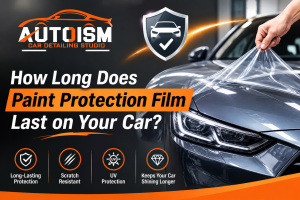
Paint protection film is a transparent, flexible polyurethane film applied to a vehicle’s painted surfaces. It creates a protective barrier between the original paint and everyday road hazards.
Unlike traditional wax, which provides a temporary surface layer, PPF is designed to offer more durable physical protection. Many modern films also feature self-healing properties that help minor surface marks fade when exposed to suitable heat.
PPF is commonly installed on the front bumper, bonnet, fenders, side mirrors, door edges, and other areas exposed to frequent impacts. Full-body coverage is also available for owners who want broader protection.
You can explore the paint protection film services offered by Autoismindia to understand the available options.
How Long Does Paint Protection Film Last?
The lifespan of paint protection film (PPF) mainly depends on its quality, installation, and how well you maintain your car. Most good-quality films can last between 5 and 10 years under normal conditions.
- Premium-quality PPF: Usually lasts around 7–10 years with proper care.
- Mid-range PPF: Generally lasts around 5–7 years.
- Low-quality or poorly installed PPF: May start peeling, fading, or losing its effectiveness sooner.
- PPF exposed to harsh conditions: May require more frequent inspections and earlier replacement.
These timeframes are estimates, not guarantees. The actual lifespan depends on the manufacturer’s specifications, warranty, weather conditions, and maintenance routine.
For example, a car driven regularly on highways may experience more stone chips and road debris than one used occasionally for short city trips. Similarly, a vehicle parked outdoors in direct sunlight may experience more environmental stress than one kept in a covered garage.
Customer Success Story: How Aarav Protected His Car with Paint Protection Film in Ahmedabad
A car owner named Aarav from Ahmedabad wanted to keep his new car looking fresh despite daily driving, dusty roads, and strong sunlight. After researching different options, he decided to invest in paint protection film (PPF) to help protect the original paint from minor scratches, stone chips, and everyday wear.
With professional installation and regular maintenance, the film helped Aarav maintain his car’s glossy appearance and made routine cleaning easier. Instead of worrying as much about minor road damage, he could enjoy driving while taking better care of his vehicle’s finish.
6 Factors That Affect Paint Protection Film Lifespan
1. Quality of the Film
The quality of automotive paint protection film plays a major role in how long it performs well. Premium films are generally designed to resist yellowing, staining, cracking, and everyday surface damage.
Before choosing a product, ask about its thickness, clarity, warranty coverage, and resistance to UV exposure. A longer warranty can be useful, but it does not mean every type of damage is covered.
2. Professional Installation
Even a high-quality film may not perform properly if it is installed incorrectly. Poor surface preparation, trapped dust, badly finished edges, and improper application can affect its appearance and durability.
Professional paint protection film services typically involve cleaning the paint, preparing the surface, carefully applying the film, and checking the edges for proper adhesion. Correct installation can help reduce premature peeling and lifting.
3. Weather and Sunlight
Strong sunlight, heat, rain, and environmental pollutants can affect a film over time. Ahmedabad’s hot summers and dusty roads make regular inspection particularly useful for local car owners.
Quality films are designed to withstand environmental exposure, but prolonged outdoor parking and neglect can still affect their condition.
4. Driving Conditions
Highway driving exposes the front of a vehicle to stones, insects, and road debris. City driving brings different challenges, including tight parking spaces, minor scrapes, and accidental contact with other vehicles.
PPF helps reduce the risk of certain types of paint damage, but it cannot prevent every scratch, deep impact, or collision.
5. Installation Coverage
The protected area also matters. A front-end package may protect the bumper, bonnet, and mirrors, while full-body PPF covers more painted panels.
Choosing coverage based on your driving habits and budget can be more practical than paying for areas that face very little exposure.
6. Regular Maintenance
Consistent care helps preserve the film’s appearance. Dirt, mineral deposits, and bird droppings should not be left on the surface for long periods. Proper cleaning also makes it easier to spot lifting edges, stains, or other signs of wear.
Paint Protection Film Maintenance: How to Make It Last Longer
Good paint protection film maintenance does not require complicated products or expensive treatments. A few sensible habits can help maintain the film’s clarity and adhesion.
- Wait before washing: Follow your installer’s instructions. Many films require 48–72 hours before washing.
- Use gentle cleaning products: Choose a pH-neutral car shampoo and a clean microfiber wash mitt.
- Remove contaminants promptly: Clean bird droppings, insect remains, and tree sap carefully before they leave stubborn marks.
- Avoid aggressive washing: Keep high-pressure water away from film edges and avoid abrasive brushes.
- Inspect the film regularly: Check for peeling, bubbling, cracks, or unusual discolouration.
- Park in shaded areas when possible: Covered parking can reduce prolonged exposure to intense sunlight.
If the film develops damage, consult a professional before attempting repairs yourself. Avoid using harsh solvents or applying excessive heat without expert guidance.
How Much Does Paint Protection Film Cost?
The paint protection film cost depends on several factors, including the vehicle’s size, film brand, coverage area, paint condition, and installation complexity.
Partial coverage generally costs less than full-body PPF. Premium films may cost more initially but can offer better durability and longer warranty protection.
When comparing quotes, ask what the price includes, which film brand will be installed, how long the warranty lasts, and whether removal or replacement is covered. The cheapest option may not offer the best long-term value.
For drivers searching for Paint protection film in Ahmedabad, comparing product quality and installation standards is more useful than choosing a service based on price alone.
Choosing the Right PPF Service in Ahmedabad
If you are searching online for the Best car PPF coating in Ahmedabad or a Car PPF coating service near me, check the installer’s experience, customer reviews, product specifications, and warranty terms.
Ask to see examples of completed installations, especially around bumpers, mirrors, door edges, and curved panels. These areas can reveal how carefully the film has been applied.
Autoismindia provides paint protection film services in Ahmedabad. Before booking, discuss your driving habits, desired coverage, and budget to determine which solution suits your vehicle.
To enquire about installation, visit the Autoismindia contact page or explore the official website.
Final Thoughts
Paint protection film can help preserve your car’s original paint for years, but its performance depends on more than the product itself. Film quality, careful installation, driving conditions, and regular maintenance all influence how long it lasts.
Before investing, compare warranty terms, coverage options, and installation quality. With the right film and proper care, you can protect vulnerable painted surfaces and keep your vehicle looking better for longer.
SEO note: This article uses established PPF lifespan guidance and addresses common car-owner questions. No one can guarantee a specific QuillBot AI-detector score; such tools can produce false positives, so review the article for factual accuracy and add genuine experience or original observations before publishing.
Suggested meta title: How Long Does Paint Protection Film Last on Your Car?
Suggested meta description: Discover how long paint protection film lasts, what affects its lifespan, maintenance tips, PPF costs, and how to choose a PPF service in Ahmedabad.
FAQs
1. How long does paint protection film last on a car?
Paint protection film (PPF) typically lasts 5 – 10 years, depending on film quality, installation, driving conditions, and maintenance. According to Autoismindia’s PPF service page, premium films offer self-healing properties that help minor scratches and swirl marks fade with heat. Regular maintenance and professional installation can help extend the film’s lifespan.
2. Does paint protection film turn yellow over time?
It can. Ageing, UV exposure, and environmental contaminants may cause discolouration. Modern premium films are designed to resist yellowing, but no film is immune to ageing.
3. Can paint protection film heal scratches?
Some films have self-healing topcoats that help minor surface scratches and swirl marks disappear with heat. Deep scratches, cuts, and punctures generally require professional assessment or film replacement.
4. Is paint protection film worth the cost?
Yes, paint protection film is worth the cost because it helps protect your car’s original paint from minor scratches, stone chips, and road debris. Autoismindia offers car care solutions to help maintain your vehicle’s appearance. Choosing quality PPF with professional installation can help preserve your car’s finish and reduce the need for certain paint repairs over time.
5. When should paint protection film be replaced?
Consider replacement when the film develops persistent peeling, cracking, significant yellowing, or damage that affects its appearance and protective function. A professional installer can assess its condition and recommend appropriate removal or replacement.