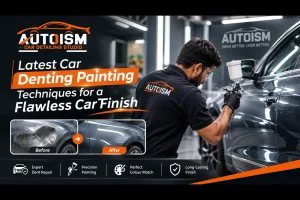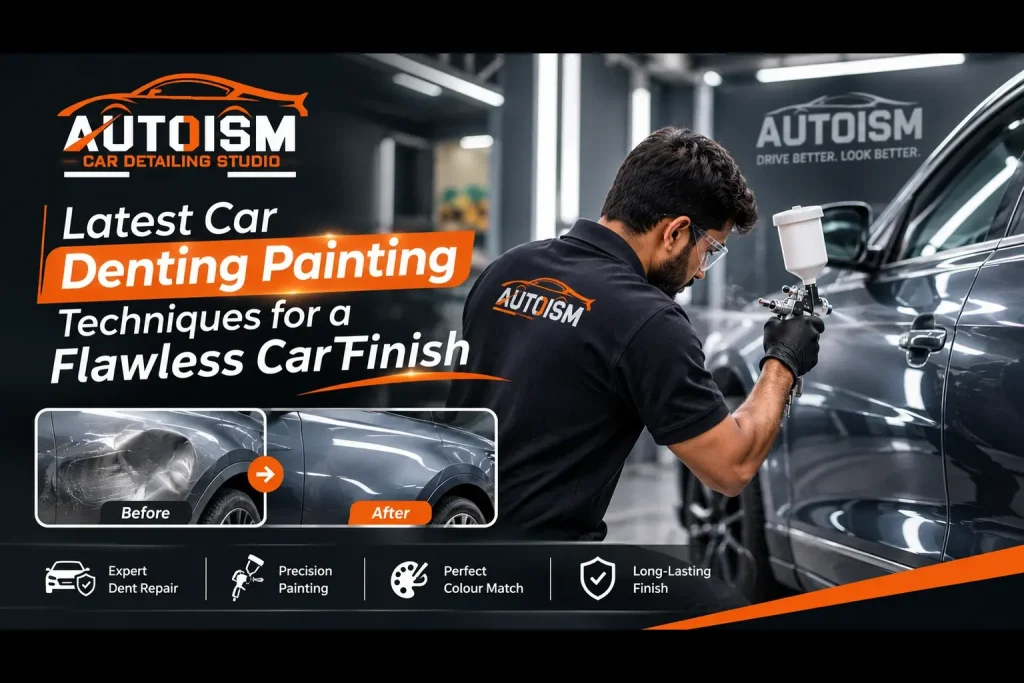
A car’s exterior does more than create a good first impression. Its paintwork protects the metal body from moisture, sunlight, dust, and environmental damage. However, daily driving, crowded parking spaces, minor accidents, road debris, and scratches can gradually affect its appearance. Even a small dent or paint chip can make a well-maintained vehicle look older than it actually is.
Fortunately, modern automotive repair technology has made car denting painting more precise and effective. Today’s workshops use advanced dent removal tools, improved paint-matching systems, professional spray booths, and refined polishing techniques to restore damaged panels.
Understanding these methods can help car owners choose the right car denting painting service, avoid unnecessary repairs, and achieve a smooth, factory-like finish.
Paintless Dent Repair: Removing Dents Without Repainting
Paintless Dent Repair (PDR) is one of the most useful developments in modern dent repair. This technique removes minor dents without disturbing the original factory paint.
Technicians use specially designed metal rods, pushing tools, and controlled pressure to gradually reshape the damaged panel from behind. Where rear access is difficult, adhesive tabs can be attached to the exterior and carefully pulled to restore the panel’s original shape.
Best suited for:
- Small dents caused by parking incidents.
- Minor door dings and hail damage.
- Shallow dents where the original paint remains intact.
The biggest advantage of PDR is that it preserves the factory finish. It can also reduce repair time and costs compared with conventional bodywork. However, deep creases, cracked paint, sharp dents, and damaged panel edges may require traditional methods.
Advanced Glue Pulling Technology
Glue pulling is another modern technique used in professional dent repair. It is particularly helpful when technicians cannot easily reach the back of a damaged panel.
A specialised adhesive tab is attached to the dent using professional-grade glue. A pulling tool then applies controlled force to gradually bring the metal closer to its original shape. Technicians repeat this process while checking the panel’s surface under specialised reflection lighting.
This method is useful for certain shallow dents on doors, roofs, and other body panels.
Unlike conventional methods that may require extensive disassembly, glue pulling can minimise the need to remove interior components. The process must be performed carefully to avoid damaging the existing paint or creating uneven surfaces.
Digital Paint Matching for Accurate Colour Restoration
One of the biggest challenges in denting painting is matching the repaired area with the vehicle’s original colour.
Even a slightly different shade can make a repaired panel noticeable, particularly on metallic, pearl, and premium vehicle finishes.
Modern workshops increasingly use digital colour-matching systems and spectrophotometers. These devices analyse the existing paint and help technicians identify the closest available colour formula.
The process generally involves:
- Identifying the vehicle’s original paint code.
- Scanning the existing paint to assess colour variations.
- Selecting or adjusting the appropriate paint formula.
- Testing the colour on a spray-out card.
- Applying the paint using controlled spray techniques.
Professional colour matching helps create a more consistent appearance and reduces visible differences between repaired and original panels.
Waterborne Automotive Paint Technology
Waterborne paint systems have become an important part of modern automotive refinishing. They use water as the primary carrier for many paint ingredients instead of relying entirely on traditional solvent-based formulations.
These paints are widely used in professional workshops because they can help reduce volatile organic compound (VOC) emissions while delivering excellent colour accuracy and finish quality.
The process requires proper surface preparation, controlled application, and suitable drying conditions.
Waterborne basecoats are generally followed by a compatible clearcoat that provides gloss, UV resistance, and protection against everyday environmental exposure.
For car owners, the main benefit is access to modern refinishing systems that can restore the vehicle’s appearance while supporting more controlled painting practices.
Customer Success Story: Restoring a Car’s Original Shine with Advanced Denting Painting
Customer Name: Pranav | Ahmedabad
Pranav noticed several dents and scratches on his car after repeated city driving and parking incidents. The damaged panels had affected the vehicle’s overall appearance, making it look older than it was.
After choosing a professional car denting painting service, the technicians assessed the damage and used modern dent repair techniques, precision sanding, and advanced colour-matching technology to restore the affected panels.
The final painting and polishing delivered a smooth, consistent finish that blended beautifully with the original body colour. Pranav was pleased with the transformation and appreciated the attention to detail throughout the repair process.
UV-Curing Primer Technology for Faster Repairs
Traditional primers often require longer drying periods before technicians can continue with sanding and painting. UV-curing primer technology offers a faster alternative for suitable repair applications.
Specially formulated primers harden when exposed to ultraviolet light using compatible curing equipment. Once properly cured, technicians can proceed with the required surface preparation and refinishing steps.
This technology can improve workshop efficiency and reduce waiting time between repair stages.
However, UV-curing products are not suitable for every repair. Technicians must follow the paint manufacturer’s product instructions and select the correct primer for the damaged surface.
Advanced Spray Painting and Clearcoat Application
A flawless paint finish depends on more than choosing the correct colour. Spray technique, paint thickness, environmental conditions, and clearcoat application all influence the final result.
Modern professional workshops use controlled spray booths and high-volume, low-pressure (HVLP) spray guns to achieve an even paint application.
A typical painting process includes:
- Surface preparation: Cleaning, sanding, and removing contaminants from the damaged area.
- Primer application: Creating a suitable foundation for the new paint.
- Basecoat application: Applying the matched vehicle colour in controlled layers.
- Clearcoat application: Adding gloss and protection to the refinished surface.
- Curing: Allowing the coating to dry according to manufacturer specifications.
When performed correctly, these steps help produce a smooth, uniform finish that blends naturally with the surrounding bodywork.
Computer-Assisted Surface Inspection and Precision Sanding
Modern denting painting also benefits from improved inspection tools and finishing equipment. Technicians use specialised reflection lights, measuring tools, and digital inspection methods to identify surface irregularities that may not be obvious under normal lighting.
After dent removal, precision sanding helps eliminate minor imperfections and prepares the panel for refinishing.
Once the paint has cured, controlled denibbing and machine polishing can remove suitable surface defects, such as minor dust particles or uneven texture.
The objective is to achieve consistent gloss without unnecessarily removing the clearcoat. Skilled technicians understand when polishing is sufficient and when additional refinishing is required.
How to Choose the Right Car Denting Painting Service
Choosing a reliable workshop is just as important as selecting the repair technique. Poor workmanship, incorrect colour matching, or inadequate surface preparation can affect the final appearance and durability.
Before selecting a car denting painting near me, consider these factors:
- Technician experience: Check whether the team has experience with different vehicle models and repair techniques.
- Equipment: Look for workshops using professional dent removal tools, paint-matching systems, and suitable spray facilities.
- Paint quality: Ask about the paint brand, primer, and clearcoat being used.
- Repair transparency: Request a clear explanation of the damage and recommended repair method.
- Warranty: Understand what workmanship or paint warranty is offered.
- Previous work: Review completed repairs and customer feedback before making a decision.
A professional workshop should explain whether PDR, conventional dent removal, panel refinishing, or replacement is the most appropriate option.
What Factors Affect Denting Painting Price?
The denting painting price depends on several factors, so there is no single rate for every vehicle.
Important cost considerations include:
- Damage severity: Minor dents generally cost less to repair than deep creases or major panel damage.
- Panel location: Repairs involving difficult-to-access areas may require additional labour.
- Paint type: Metallic, pearl, and special-effect colours may require more complex matching.
- Repair method: PDR and conventional denting painting involve different tools, materials, and labour.
- Panel replacement: Severely damaged components may need replacement instead of repair.
Always request an inspection and a detailed estimate before approving the work. A lower quotation does not necessarily mean better value if important preparation or finishing steps are skipped.
Conclusion
Modern automotive repair techniques have transformed the way vehicle dents and paint damage are handled. From paintless dent repair and glue pulling to digital colour matching, waterborne paints, and advanced spray technology, today’s methods offer better control over the restoration process.
However, technology alone cannot guarantee a flawless result. Proper damage assessment, skilled technicians, quality materials, and careful finishing remain essential.
Whether you need minor dent repair or complete panel refinishing, choosing an experienced car denting painting service can help restore your vehicle’s appearance while maintaining the quality of its exterior finish.
Frequently Asked Questions
1. Which is better: paintless dent repair or traditional dent repair?
PDR is ideal for shallow dents where the original paint remains undamaged. Traditional dent repair is more suitable for deep dents, sharp creases, and damaged paintwork.
2. How long does car denting and painting take?
Minor car denting and painting repairs may take a few hours, while major dents and repainting can take several days. At Autoism India, the repair time depends on the damage and work required.
3. Will the new paint match my car’s original colour?
Professional workshops use vehicle paint codes, digital colour-matching equipment, and test panels to achieve an accurate match. Blending into adjacent panels may also be necessary for a seamless appearance.
4. How much does car denting painting cost?
The cost depends on the dent’s size, panel location, paint type, and repair method. A professional inspection is the best way to receive an accurate estimate.
5. Can scratches and dents be repaired together?
Yes, scratches and dents can be repaired together through professional car denting and painting services. Autoism India assesses the damage and uses suitable dent removal, surface preparation, and repainting techniques to restore the car’s smooth finish and original appearance.